clone cards near ca
Clone Cards near ca: What They Are, How Fraud Happens, and How to Stay Safe
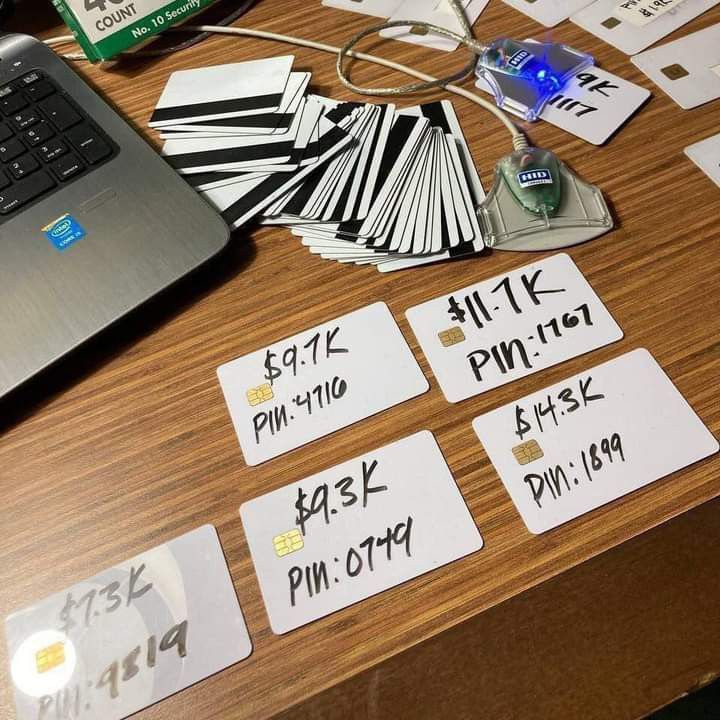
The term “clone card” is commonly used to describe a counterfeit payment card created using stolen payment-card information. Clone cards are associated with financial fraud because they may be used to make unauthorized purchases or attempt to access someone else’s funds.
Understanding the issue is important for consumers and businesses because payment-card fraud can result in financial losses, compromised personal information, and significant legal consequences.
How Clone-Card Fraud Works
Card fraud generally begins when criminals obtain payment information without the cardholder’s authorization. Information can potentially be stolen through phishing, compromised websites, malware, data breaches, or fraudulent transactions.
Criminals may then attempt to use the stolen information to make unauthorized purchases. Modern payment systems have introduced technologies such as EMV chips, tokenization, transaction monitoring, and stronger authentication to make this type of fraud more difficult.
Why Clone Cards Are Dangerous
The consequences of card cloning extend beyond the person whose account is compromised. Fraudulent transactions can affect banks, merchants, payment processors, and businesses that must investigate and resolve disputed transactions.
Consumers may also experience:
- Unauthorized transactions
- Account disruptions
- Identity-theft concerns
- Time spent disputing fraudulent charges
- Exposure of personal or financial information
The Federal Trade Commission recommends reporting lost or stolen cards promptly and monitoring accounts for unauthorized activity. {“fallbackMarkdown”:”(Consumer Advice)”,”reference”:{“matched_text”:””,”prefix”:null,”start_idx”:1993,”end_idx”:2012,”safe_urls”:[“https://consumer.ftc.gov/articles/lost-or-stolen-credit-atm-and-debit-cards”,”https://consumer.ftc.gov/articles/lost-or-stolen-credit-atm-and-debit-cards?utm_source=chatgpt.com”],”refs”:[],”alt”:”(Consumer Advice)”,”prompt_text”:null,”type”:”grouped_webpages”,”style”:null,”error”:null,”items”:[{“title”:”Lost or Stolen Credit, ATM, and Debit Cards | Consumer Advice”,”url”:”https://consumer.ftc.gov/articles/lost-or-stolen-credit-atm-and-debit-cards?utm_source=chatgpt.com”,”attribution”:”Consumer Advice”,”pub_date”:1766074879,”snippet”:””,”attribution_segments”:null,”supporting_websites”:[],”refs”:[{“turn_index”:0,”ref_type”:”search”,”ref_index”:5}],”hue”:null,”attributions”:null}],”status”:”done”,”fallback_items”:null},”showLoginRequiredCard”:false} clone cards near ca
Warning Signs of Card Fraud
Consumers should pay attention to unfamiliar transactions, unexpected account notifications, suspicious messages requesting card information, and unusual activity on financial accounts.
Scammers may impersonate banks, retailers, government agencies, or other trusted organizations. The FTC warns that impersonation scams can use convincing messages to persuade people to transfer money or disclose sensitive information. {“fallbackMarkdown”:”(Federal Trade Commission)”,”reference”:{“matched_text”:””,”prefix”:null,”start_idx”:2468,”end_idx”:2501,”safe_urls”:[“https://search.ftc.gov/business-guidance/blog/2024/04/new-ftc-data-spotlight-offers-illuminating-insights-impersonation-scams”,”https://search.ftc.gov/business-guidance/blog/2024/04/new-ftc-data-spotlight-offers-illuminating-insights-impersonation-scams?utm_source=chatgpt.com”,”https://www.ftc.gov/news-events/data-visualizations/data-spotlight/2024/04/impersonation-scams-not-what-they-used-be”,”https://www.ftc.gov/news-events/data-visualizations/data-spotlight/2024/04/impersonation-scams-not-what-they-used-be?utm_source=chatgpt.com”],”refs”:[],”alt”:”(Federal Trade Commission)”,”prompt_text”:null,”type”:”grouped_webpages”,”style”:null,”error”:null,”items”:[{“title”:”Impersonation scams: not what they used to be | Federal Trade Commission”,”url”:”https://www.ftc.gov/news-events/data-visualizations/data-spotlight/2024/04/impersonation-scams-not-what-they-used-be?utm_source=chatgpt.com”,”attribution”:”Federal Trade Commission”,”pub_date”:1711974701,”snippet”:””,”attribution_segments”:null,”supporting_websites”:[{“title”:”New FTC Data Spotlight offers illuminating insights into impersonation scams | Federal Trade Commission”,”url”:”https://search.ftc.gov/business-guidance/blog/2024/04/new-ftc-data-spotlight-offers-illuminating-insights-impersonation-scams?utm_source=chatgpt.com”,”pub_date”:null,”snippet”:””,”attribution”:”Federal Trade Commission”}],”refs”:[{“turn_index”:0,”ref_type”:”search”,”ref_index”:9},{“turn_index”:0,”ref_type”:”search”,”ref_index”:10}],”hue”:null,”attributions”:null}],”status”:”done”,”fallback_items”:null},”showLoginRequiredCard”:false} clone cards near ca
How to Protect Yourself
Good security practices can substantially reduce the risk of payment-card fraud:
- Review bank and card statements regularly.
- Enable transaction notifications when available.
- Never provide passwords, PINs, or security codes in response to unexpected messages.
- Use strong, unique passwords for financial accounts.
- Avoid clicking suspicious links in emails or text messages.
- Report unauthorized transactions to the card issuer immediately.
- Contact your bank using a trusted phone number or official application rather than a number supplied by a suspicious caller.
If a card is lost or stolen, the FTC advises contacting the issuing bank or credit union immediately. Prompt reporting can help limit losses from unauthorized transactions. {“fallbackMarkdown”:”(Consumer Advice)”,”reference”:{“matched_text”:””,”prefix”:null,”start_idx”:3288,”end_idx”:3307,”safe_urls”:[“https://consumer.ftc.gov/articles/lost-or-stolen-credit-atm-and-debit-cards”,”https://consumer.ftc.gov/articles/lost-or-stolen-credit-atm-and-debit-cards?utm_source=chatgpt.com”],”refs”:[],”alt”:”(Consumer Advice)”,”prompt_text”:null,”type”:”grouped_webpages”,”style”:null,”error”:null,”items”:[{“title”:”Lost or Stolen Credit, ATM, and Debit Cards | Consumer Advice”,”url”:”https://consumer.ftc.gov/articles/lost-or-stolen-credit-atm-and-debit-cards?utm_source=chatgpt.com”,”attribution”:”Consumer Advice”,”pub_date”:1766074879,”snippet”:””,”attribution_segments”:null,”supporting_websites”:[],”refs”:[{“turn_index”:0,”ref_type”:”search”,”ref_index”:5}],”hue”:null,”attributions”:null}],”status”:”done”,”fallback_items”:null},”showLoginRequiredCard”:false}
What to Do If Your Card Has Been Compromised
If you discover unauthorized transactions, contact your card issuer immediately and explain that the transactions were not authorized. Follow the issuer’s instructions for replacing the card and securing the account.
If you believe you have been the victim of a broader scam or identity theft, you can also report the incident to the appropriate consumer-protection or law-enforcement authority.
Conclusion
“Clone cards” are not legitimate financial products; the term generally refers to counterfeit or fraudulently used payment cards. While criminals continually develop new ways to obtain payment information, consumers can reduce their exposure by protecting account credentials, monitoring transactions, recognizing impersonation scams, and reporting suspicious activity quickly. clone cards near ca